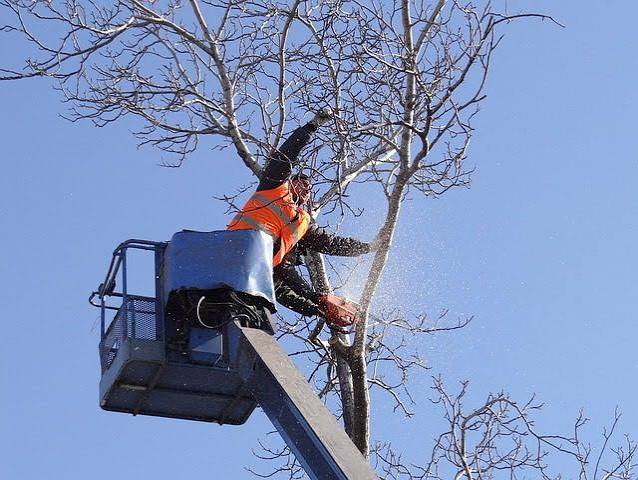
Forests are among the most valuable natural resources on our planet. They provide food, shelter, clean air, and many materials that people use in everyday life. They also regulate the climate, protect wildlife, and maintain the balance of natural ecosystems. Unfortunately, deforestation, illegal logging, agricultural expansion, and uncontrolled development continue to threaten forest areas. Conserving forests is essential not only for the environment today but also for the well-being of future generations.
1. Maintaining Environmental Balance
Forests help maintain ecological balance by supporting the natural processes that sustain life. Trees absorb carbon dioxide, release oxygen, and contribute to the water cycle. Healthy forests also regulate local temperatures and provide natural protection against environmental changes.
2. Protecting Endangered Wildlife
Many animals depend on forests for food, shelter, and breeding grounds. When forests disappear, wildlife loses the habitats it needs to survive. Forest conservation helps protect endangered species and maintain biodiversity. Preserving different plant and animal species also keeps ecosystems more resilient.
3. Reducing Global Warming
Trees absorb carbon dioxide from the atmosphere and store carbon in their trunks, branches, roots, and surrounding soil. This helps reduce the concentration of greenhouse gases. Preventing unnecessary deforestation and restoring damaged forests are important actions in addressing climate change.
4. Supporting Local Communities
Millions of people depend on forests for their livelihoods. Forests provide fruits, nuts, medicinal plants, timber, and other useful resources. They also support employment in forestry, agriculture, tourism, and conservation. Managing these resources responsibly can provide economic opportunities without destroying natural habitats.
5. Protecting Freshwater Resources
Forests play an important role in protecting rivers, lakes, and underground water supplies. Their roots help water enter the soil, while vegetation reduces erosion and filters some pollutants from rainwater. Forested watersheds can therefore contribute to cleaner and more reliable water resources.
6. Preventing Natural Disasters
Healthy forests can reduce certain environmental risks. Trees stabilize soil, slow surface runoff, and help protect hillsides from erosion. Mangrove forests can also reduce the impact of waves and coastal storms. Although forests cannot prevent every natural disaster, they can provide valuable natural protection.
7. Promoting Sustainable Forest Management
Forest conservation does not always mean preventing all human use of forests. It means managing forest resources carefully so that they can recover and continue providing benefits. Sustainable practices include responsible harvesting, preventing illegal logging, restoring damaged areas, and protecting important wildlife habitats.
8. Educating Young Generations
Environmental education can help children understand why forests matter. Schools can organize tree-planting activities, nature walks, recycling campaigns, and conservation projects. When young people learn about environmental responsibility, they are more likely to protect natural resources throughout their lives.
Conclusion
Forest conservation is essential for protecting biodiversity, reducing climate change, preserving freshwater resources, and supporting human communities. Forests provide benefits that cannot easily be replaced once they are destroyed. Governments, organizations, businesses, and individuals must work together to prevent deforestation and encourage sustainable management. Protecting forests today means giving future generations a healthier planet and a better quality of life.
Leave a Reply