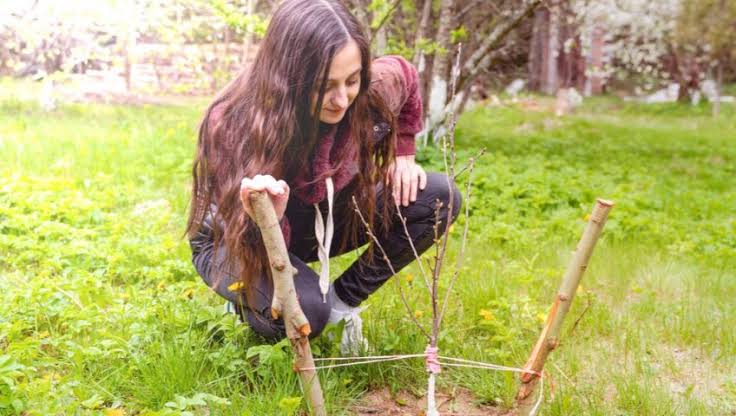
Trees are among the most important features of a healthy outdoor environment. They provide shade, improve air quality, create natural privacy, and make residential and commercial properties more attractive. Despite their ability to grow independently in natural environments, trees in developed landscapes often face challenges caused by construction, limited growing space, changing soil conditions, and human activity. Regular maintenance helps address these challenges and supports healthier growth over time.
One valuable tree care practice is maintaining a suitable growing environment. Trees depend on healthy soil to receive the water, oxygen, and nutrients required for development. When the ground becomes heavily compacted, roots may struggle to expand and absorb essential resources. This commonly happens in areas with frequent foot traffic, parked vehicles, or construction work. Keeping heavy activity away from important root zones can help prevent unnecessary stress and preserve soil quality.
Water management is equally important, particularly during the first few years after planting. Young trees have smaller root systems and may struggle to obtain enough moisture during dry weather. Slow, deep watering helps deliver moisture to the developing roots. Established trees generally need less frequent watering, but extended drought can still affect their condition. Checking soil moisture before adding water helps prevent both dehydration and excessive saturation.
The condition of the canopy offers useful information about overall tree health. Healthy foliage, balanced branch development, and normal seasonal changes usually indicate that a tree is growing under suitable conditions. However, sudden leaf loss, dead branches, unusual discoloration, or thinning growth may suggest an underlying problem. These symptoms can result from insects, diseases, environmental stress, or root damage. Observing changes over time helps property owners decide when further investigation is necessary.
Pruning plays an important role in maintaining a strong tree structure. Dead and damaged branches can become dangerous, especially when they are positioned above driveways, sidewalks, or frequently used outdoor areas. Selective pruning removes specific problem branches while preserving the tree’s natural shape. It can also improve clearance around buildings and other structures. The goal should be to maintain healthy growth rather than remove large amounts of foliage simply to make a tree smaller.
Mulching provides several benefits when applied correctly. Organic mulch helps retain moisture, limits weed competition, and reduces sudden changes in soil temperature. It also gradually contributes organic material as it decomposes. A broad, shallow layer around the tree is generally more beneficial than a thick pile near the trunk. Keeping mulch away from the bark helps prevent moisture-related problems and reduces the likelihood of trunk damage.
Another important responsibility is monitoring trees for insects and diseases. Certain pests damage leaves, while others feed beneath the bark or affect the internal structure. Fungal infections may appear as spots, cankers, unusual growths, or areas of decay. Early identification allows property owners to explore suitable management options before the condition becomes more serious. Because different problems can produce similar symptoms, accurate diagnosis should come before applying any treatment.
Weather conditions can create additional maintenance challenges. High winds may break weak branches, while heavy snow and ice can place significant weight on the canopy. Prolonged heat can increase moisture stress, and excessive rainfall may contribute to poor drainage. Trees located near buildings and public walkways deserve particular attention because structural problems can create safety concerns. Regular inspections help identify visible defects that may require professional evaluation.
Professional tree care services can be valuable when maintenance involves large branches, mature trees, suspected decay, or difficult working conditions. Qualified arborists have the knowledge and equipment to assess tree structure and recommend appropriate care. Their guidance can help property owners avoid unnecessary cutting and make informed decisions about long-term maintenance.
Regular tree maintenance is an investment in the health, safety, and appearance of a property. By protecting roots, managing water, maintaining healthy branches, and monitoring for potential problems, property owners can create better conditions for long-lasting growth. Consistent care helps trees remain valuable landscape features while continuing to provide shade, beauty, and environmental benefits for future generations.
Leave a Reply