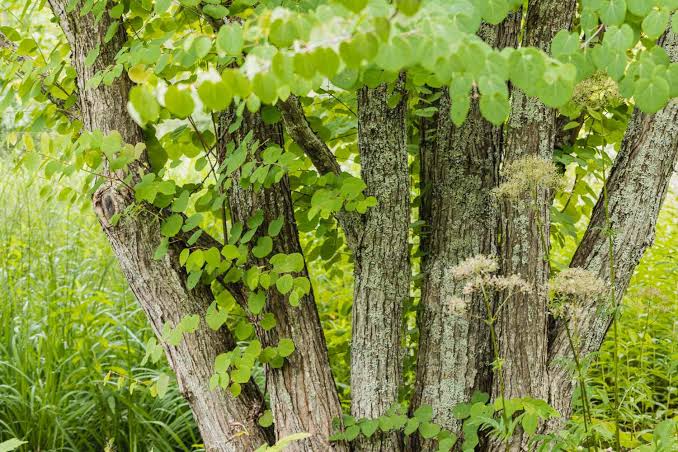
Trees make an important contribution to the health and beauty of our environment. However, choosing the right trees for planting is just as important as the act of planting itself. Native trees are species that naturally grow in a particular region and are adapted to its local climate, soil, and environmental conditions. Planting native trees can strengthen local ecosystems, support wildlife, and help communities create greener and more sustainable surroundings.
1. Supporting Local Wildlife
Native trees provide food and shelter for birds, insects, and other animals that naturally live in the region. Their flowers, fruits, seeds, and leaves support local wildlife throughout different seasons. By planting native species, communities can help maintain habitats and protect biodiversity.
2. Adapting to Local Climate Conditions
Native trees have developed the ability to survive under the natural conditions of their region. Many are better adapted to local temperatures, rainfall patterns, and soil types than non-native species. This can make them suitable choices for long-term planting projects, although newly planted trees still require proper care.
3. Conserving Water
Some native tree species are adapted to seasonal rainfall and local water availability. Once established, they may require less additional watering than species that are poorly suited to the region. Choosing appropriate trees can help reduce unnecessary water consumption, particularly in areas that experience dry seasons.
4. Improving Soil Quality
Native trees contribute organic matter through fallen leaves, branches, and decaying roots. This material supports soil organisms and helps improve soil structure. Their roots can also stabilize the ground, reduce erosion, and improve the ability of soil to absorb rainfall.
5. Supporting Pollinators
Many native trees produce flowers that provide nectar and pollen for bees, butterflies, and other pollinating insects. These insects play an important role in maintaining healthy ecosystems and supporting agricultural production. Planting different native species can provide food sources throughout the year.
6. Creating Healthier Neighborhoods
Native trees can make residential areas more attractive and comfortable. They provide shade, reduce heat, and help capture some airborne dust and pollutants. Parks, roadsides, schools, and community gardens can all benefit from carefully selected native trees.
7. Preserving Natural Heritage
Native trees are part of a region’s natural identity. They have ecological, cultural, and sometimes historical importance for local communities. Protecting these species helps preserve natural landscapes and allows future generations to appreciate their environmental heritage.
8. Encouraging Responsible Planting Programs
Successful planting programs require planning and continued maintenance. Communities should consult local forestry experts or environmental organizations to identify suitable native species. They should also consider available space, mature tree size, root development, and water requirements. Regular watering, mulching, and protection from damage can help young trees survive.
Conclusion
Planting native trees is an effective way to strengthen local ecosystems and improve community environments. These trees support wildlife, conserve water, protect soil, and contribute to healthier neighborhoods. Their long-term benefits make them valuable for environmental conservation. By choosing suitable native species and caring for them properly, individuals and communities can help preserve nature and create greener surroundings for future generations.
Leave a Reply