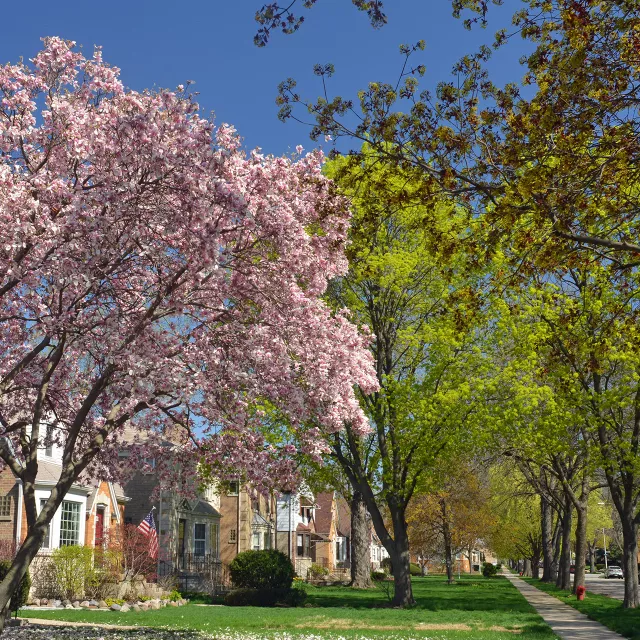
A clean and healthy environment is essential for the survival and well-being of all living things. However, air pollution, rising temperatures, waste, and environmental degradation are creating serious challenges for communities around the world. Trees offer a natural way to improve environmental conditions. They clean the air, provide shade, support wildlife, and help maintain ecological balance. Protecting and planting trees should therefore be an important part of every community’s environmental efforts.
1. Filtering Air Pollution
Trees help improve air quality by capturing dust and certain airborne particles on their leaves and branches. They also absorb gases such as carbon dioxide during photosynthesis. Although trees cannot eliminate all forms of air pollution, increasing healthy vegetation can contribute to cleaner surroundings, especially when combined with efforts to reduce pollution at its source.
2. Producing Oxygen
One of the most important functions of trees is photosynthesis. During this process, trees use sunlight, water, and carbon dioxide to produce sugars that support their growth. Oxygen is released as a by-product. This natural process contributes to the oxygen available in the atmosphere and supports life on Earth.
3. Reducing Environmental Heat
Concrete buildings, roads, and other urban surfaces absorb heat and can make cities uncomfortable during hot weather. Trees provide shade and release moisture through their leaves, helping cool the surrounding air. Planting trees in parks, streets, and residential areas can make neighborhoods more pleasant and reduce heat exposure.
4. Absorbing Carbon Dioxide
Carbon dioxide is one of the major greenhouse gases contributing to global warming. Trees absorb carbon dioxide as they grow and store carbon in their wood, roots, and surrounding soil. Protecting mature trees and restoring forests can help reduce atmospheric carbon levels over time.
5. Creating Homes for Wildlife
Trees provide important habitats for birds, insects, and small animals. Their branches offer shelter and nesting locations, while fruits, seeds, and flowers provide food. A healthy variety of trees can support biodiversity and help maintain balanced ecosystems in both rural and urban environments.
6. Improving the Appearance of Communities
Green spaces make neighborhoods more attractive and welcoming. Trees along roads, in gardens, and around public buildings create natural beauty and provide comfortable places for people to relax. Parks with healthy trees can also encourage walking, exercise, and outdoor activities.
7. Supporting Soil and Water Protection
Tree roots help hold soil together and reduce erosion caused by wind and rainfall. Their leaves and organic material improve soil structure and support moisture retention. Trees near rivers and streams can also stabilize riverbanks and reduce the amount of sediment entering waterways.
8. Encouraging Environmental Responsibility
Protecting trees requires cooperation from individuals, communities, and governments. People can plant suitable native species, avoid damaging existing trees, conserve water, and participate in environmental campaigns. Schools and organizations can encourage responsible habits by teaching the importance of nature conservation.
Conclusion
Trees are essential for creating a cleaner, healthier, and more sustainable environment. They improve air quality, reduce heat, absorb carbon dioxide, protect soil, and provide habitats for wildlife. Their benefits extend beyond nature and directly improve people’s daily lives. By planting new trees and protecting existing ones, communities can make meaningful progress toward environmental conservation. Every tree cared for today can contribute to a healthier world tomorrow.
Leave a Reply