Trees are an essential part of a well-designed outdoor environment. They create natural shade, improve the appearance of a property, provide shelter for wildlife, and contribute to a healthier ecosystem. Whether growing in a small residential yard or across a large commercial landscape, trees need suitable conditions and regular attention to remain strong. Understanding basic tree maintenance can help property owners prevent common problems and protect their investment in the landscape.
A healthy tree begins with a strong root system. Roots absorb the water and nutrients needed for growth while providing stability during changing weather conditions. Although most roots remain hidden underground, their condition has a direct impact on the entire tree. Soil compaction, construction activities, and poor drainage can interfere with root development. Protecting the ground around trees from unnecessary disturbance helps maintain the conditions roots need to function properly.
One common mistake in landscape maintenance is treating every tree the same way. Different species have different requirements for sunlight, moisture, pruning, and soil conditions. Some trees tolerate dry environments, while others perform better in consistently moist soil. Understanding the characteristics of each species makes it easier to develop an appropriate maintenance routine. This is especially important when selecting new trees for areas with limited planting space.
Pruning should be performed with the tree’s natural structure in mind. Removing dead, damaged, or crossing branches can improve the canopy and reduce certain safety concerns. Proper pruning also helps young trees develop a balanced structure as they grow. However, removing too many healthy branches can create unnecessary stress. Large cuts may take considerable time to close, and improper techniques can leave wounds that encourage decay. For mature trees or complicated pruning work, professional assistance is often the safest option.
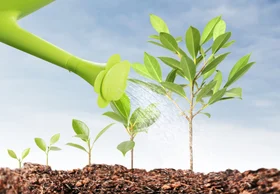
Watering habits can significantly influence tree health. During periods of limited rainfall, young trees may require additional moisture to establish their roots. Mature trees can usually access water from a wider area, but prolonged drought can still affect their condition. Deep watering encourages moisture to reach the root zone, while frequent shallow watering may leave deeper roots without adequate moisture. Property owners should check soil conditions before watering to avoid creating overly wet environments.
Another important maintenance practice is protecting trees from lawn equipment. Repeated contact from lawn mowers and string trimmers can damage bark near the base of a tree. These injuries may weaken its natural protective barrier and create opportunities for pests and decay organisms. Maintaining a suitable mulch area around the trunk can reduce the need for trimming grass close to the bark. Mulch should be spread evenly and kept away from direct contact with the trunk.
Trees should also be inspected for signs of insects and disease. Unusual leaf spots, holes in foliage, sticky residue, damaged bark, and premature leaf loss can indicate a problem. Some insects cause only minor cosmetic damage, while others can weaken branches or affect the tree’s overall condition. Early identification makes it easier to choose an appropriate response. When symptoms are unclear, a qualified arborist can help determine whether treatment is necessary.
Weather preparation is another part of responsible tree care. Strong winds, heavy rain, snow, and ice can place additional pressure on branches and trunks. Trees with existing structural defects may be more vulnerable during severe conditions. Periodic inspections can reveal deadwood, weak branch attachments, or visible cracks that deserve attention. After a major storm, property owners should avoid approaching damaged trees with hanging limbs or unstable structures.
Professional tree inspections can provide valuable information about the condition of important landscape trees. Arborists can evaluate canopy structure, root concerns, signs of decay, and potential hazards near buildings or walkways. Their recommendations may include selective pruning, monitoring, soil improvements, or other appropriate maintenance measures. Regular professional guidance is particularly useful for large, mature trees that are difficult to assess from the ground.
Maintaining healthy trees requires patience and consistent effort. Proper planting, balanced watering, careful pruning, and protection from physical damage all contribute to stronger growth. By paying attention to changing conditions and addressing concerns before they become severe, property owners can preserve attractive landscapes and enjoy the many benefits that healthy trees provide for years to come.
Leave a Reply